Salt and freeze-thaw
Brine carried in on tires soaks into the slab, then freezes. That expansion is what pits and spalls the surface over time.
An Edmonton garage floor spends every winter under salt-laden slush dripping off a vehicle. Bare concrete drinks that in, and the salt works away at it from the inside. A proper coating seals the slab and turns it into something you can actually sweep clean.
Bare concrete is porous. Salt water soaks in, then freezes and expands inside the slab, breaking it apart from within — that is what causes the pitted, flaking surface you see on older Edmonton garage floors. Sealing the concrete stops the water getting in.
Brine carried in on tires soaks into the slab, then freezes. That expansion is what pits and spalls the surface over time.
Concrete has to be mechanically opened up so the coating can key into it. A coating over a sealed or dirty slab will peel in sheets.
A coated floor sweeps and mops. Bare concrete holds oil, dust, and salt stains permanently, no matter how hard you scrub.
Almost every failed garage floor coating we get called about failed for the same reason: the concrete was rolled rather than ground. Preparation is not the part to economise on here.
Get a free quote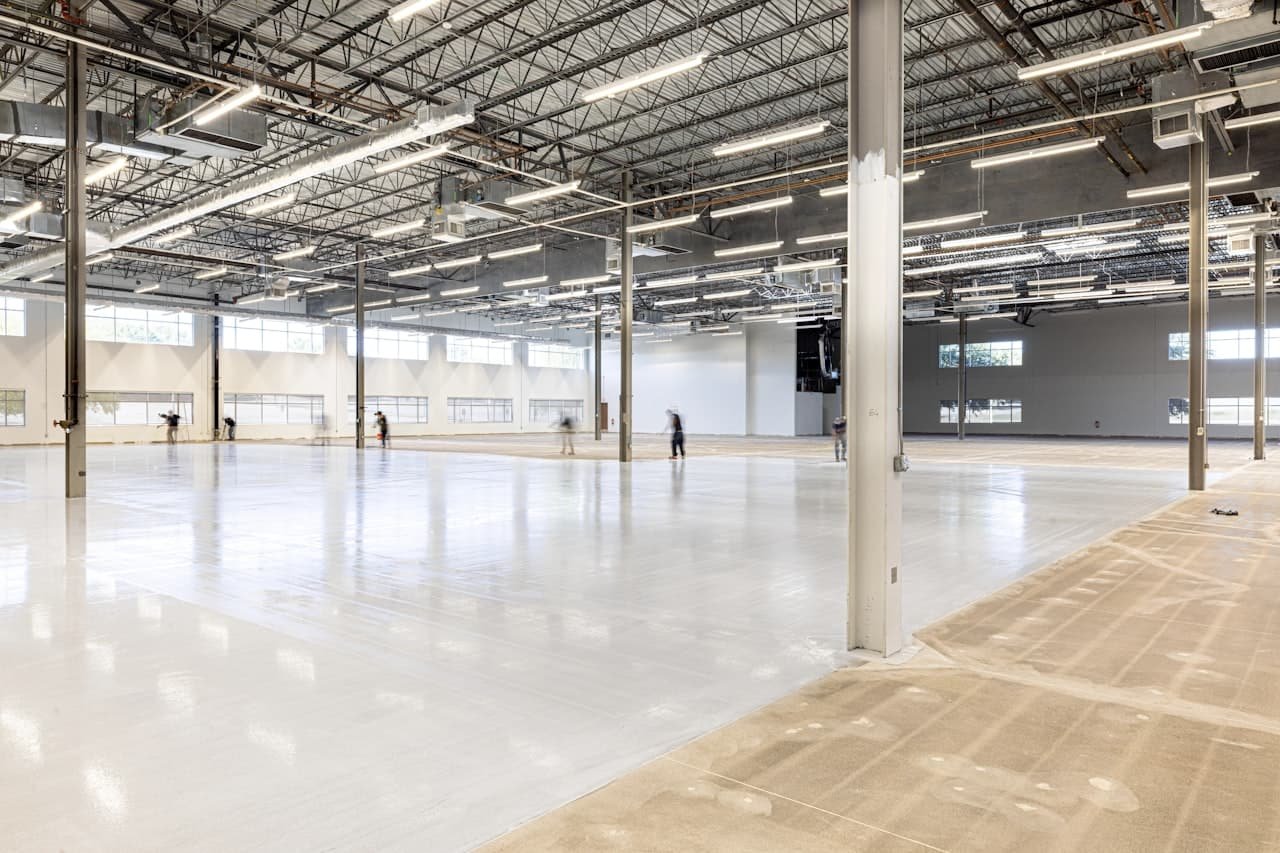
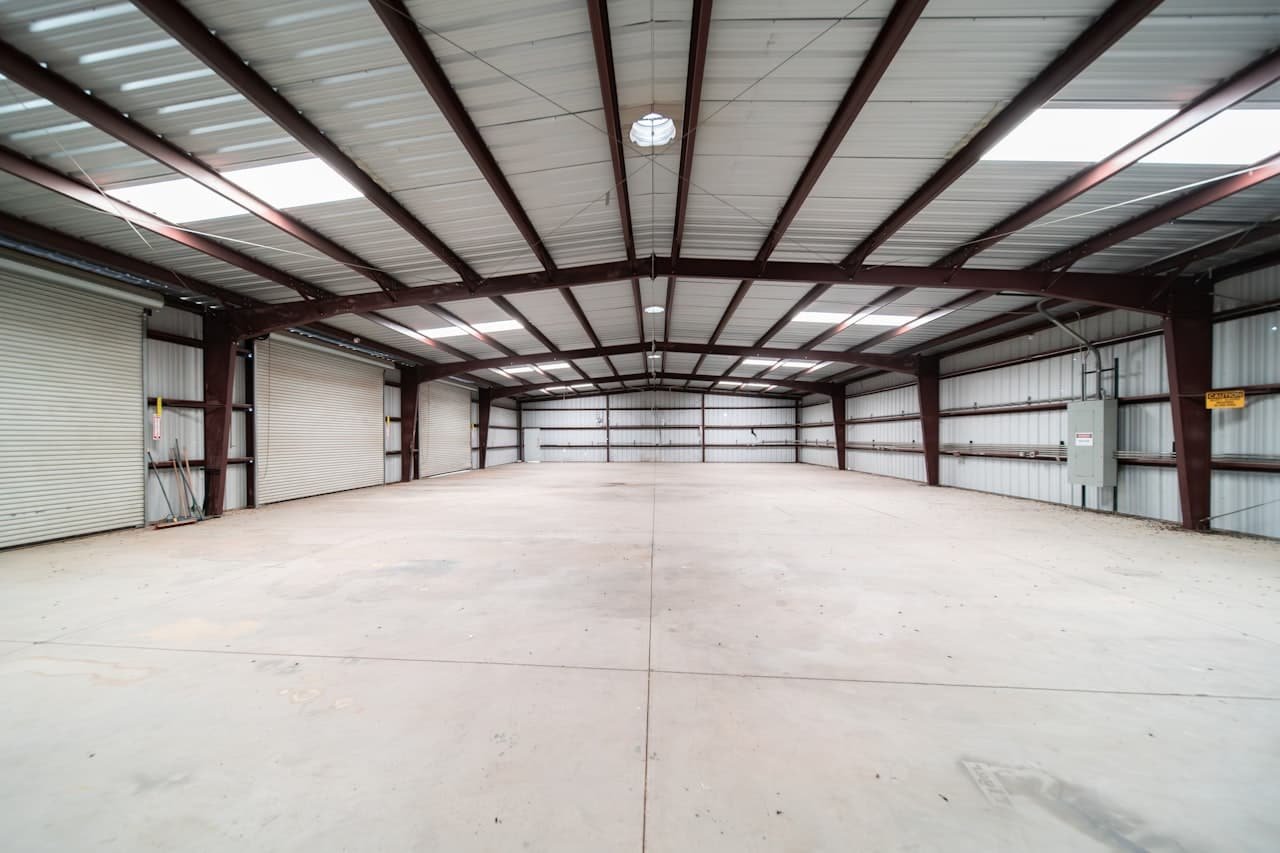
Free quote. A standard double garage is roughly 400–600 sq. ft.
Get your exact priceFloor coatings are measured and priced on site, driven by the system you choose and the condition of the slab. A newer floor needing only grinding and coating sits well below one needing extensive crack and spall repair first.
Wondering if your slab is a good candidate? Send a few photos and we will tell you.
Get a free quoteIt depends on the system and the slab's condition, so we measure and quote on site. A penetrating sealer costs considerably less than a full flake system with a clear topcoat, and a slab needing crack and spall repair costs more than one that only needs grinding. A standard double garage is roughly 400 to 600 square feet. Every quote is free and in writing.
Almost always because the concrete was not mechanically ground before coating. Concrete straight from the trowel is tight and sealed, and a coating rolled onto it has nothing to grip — it can look perfect for a season, then lift in sheets when a hot tire sits on it. Grinding is the step that makes it permanent.
Yes, but the old coating has to be ground off completely first, which is real work and gets quoted as its own line. Coating over a failing system just means the new coat comes up along with the old one. If your floor is currently flaking, expect stripping to be a meaningful part of the price.
A properly ground and coated floor will. Hot tire pickup — where a warm tire lifts the coating as it cools and grips — is the classic failure of a rolled-on floor paint over unprepared concrete. Grinding, the right primer, and a genuine topcoat is what prevents it.
Typically two to three days. You can usually walk on it after about 24 hours and drive on it after 48 to 72, depending on the system and the temperature. Polyaspartic cures faster than epoxy and works better in a cold garage, which is why it is worth considering for winter work.
In a heated garage, yes. In an unheated one, it depends on the product — epoxy needs warmth to cure properly, while polyaspartic tolerates much lower temperatures. We will tell you which option your space can actually support rather than coating something that will not cure.
If your paint is peeling, the paint is rarely the problem. Here are the three real causes and what actually prevents them.
Read the guide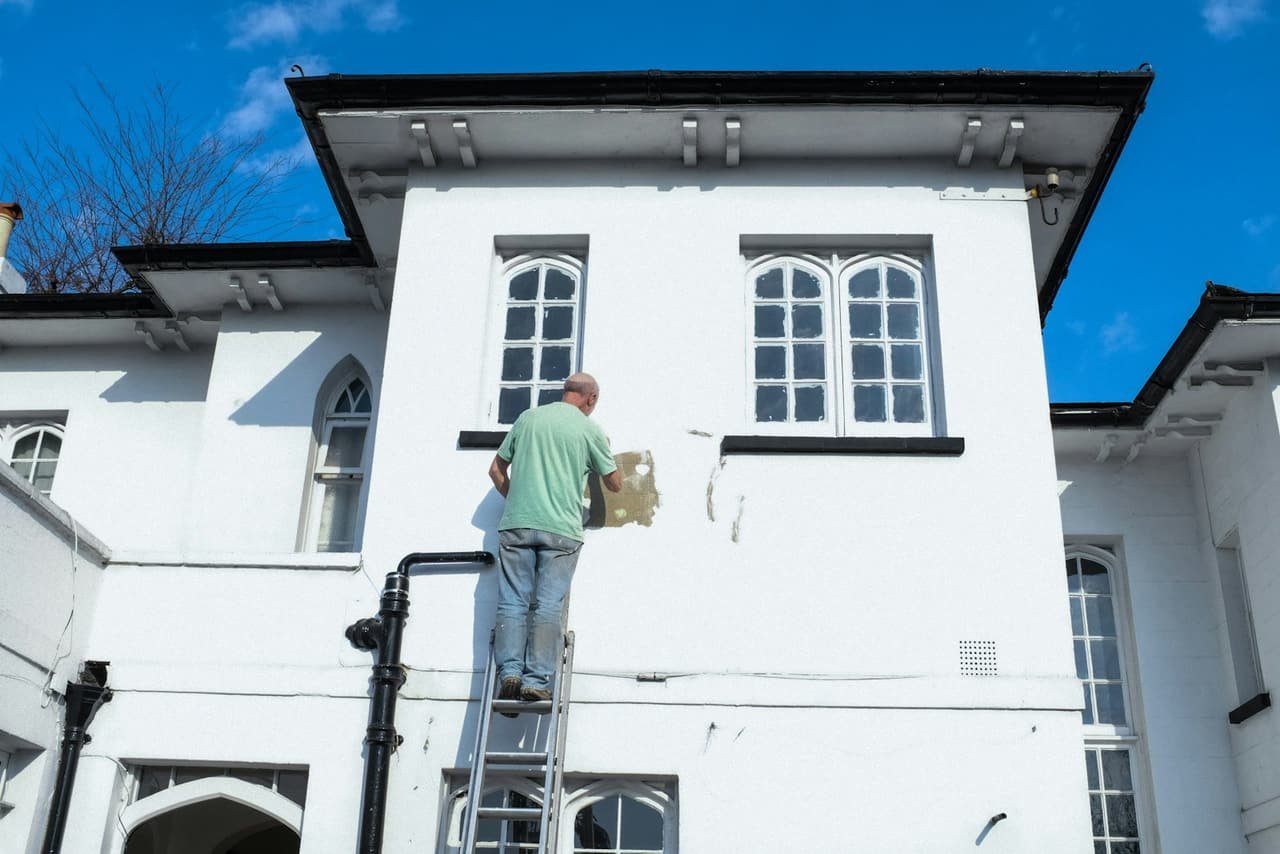
The exterior window here is short and it books out fast. Here is what actually decides whether a coating will cure — and when to get your quote in.
Read the guide