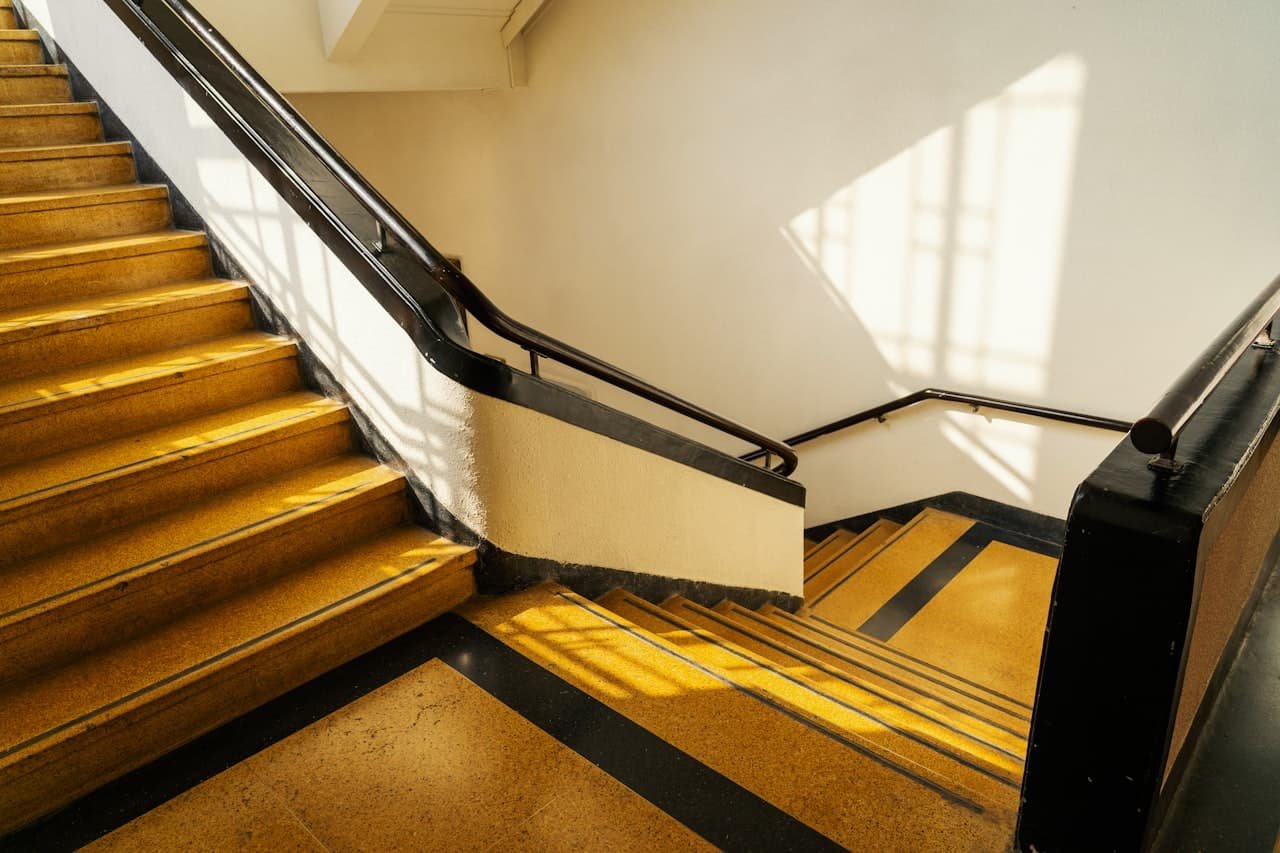
Built for the actual environment
Impact, abrasion, chemicals, moisture, and wash-downs all point to different systems. We specify for the real conditions.
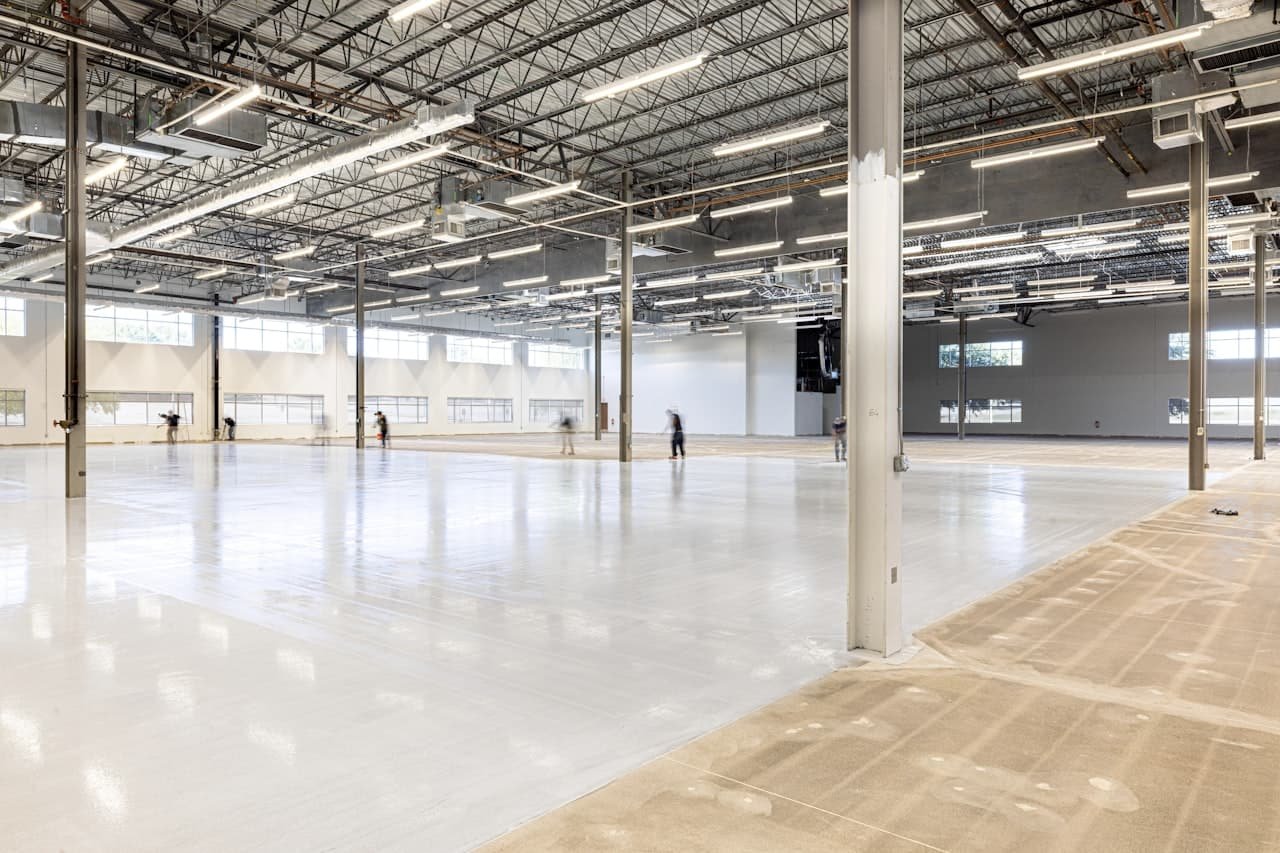
Warehouses, shops, production areas, and back-of-house. These surfaces take impact, chemicals, forklift traffic, and wash-downs, so the coating gets chosen for what the space actually endures rather than for how it looks in a brochure.
Bare steel, concrete block, and a poured floor all behave completely differently, and each needs its own primer and system. Getting that wrong is why industrial coatings fail early — usually as rust bleeding through, or a floor lifting under traffic.
Impact, abrasion, chemicals, moisture, and wash-downs all point to different systems. We specify for the real conditions.
Direct-to-metal and rust-inhibitive primers stop corrosion returning. Painting over active rust just hides it for a season.
Coating walls and ceilings white lifts light levels dramatically in a warehouse, which improves both visibility and safety.
Industrial prep is heavier than commercial. Surfaces are dirtier, contamination is more likely, and the coatings need a properly prepared profile to bond to.
Get a free quote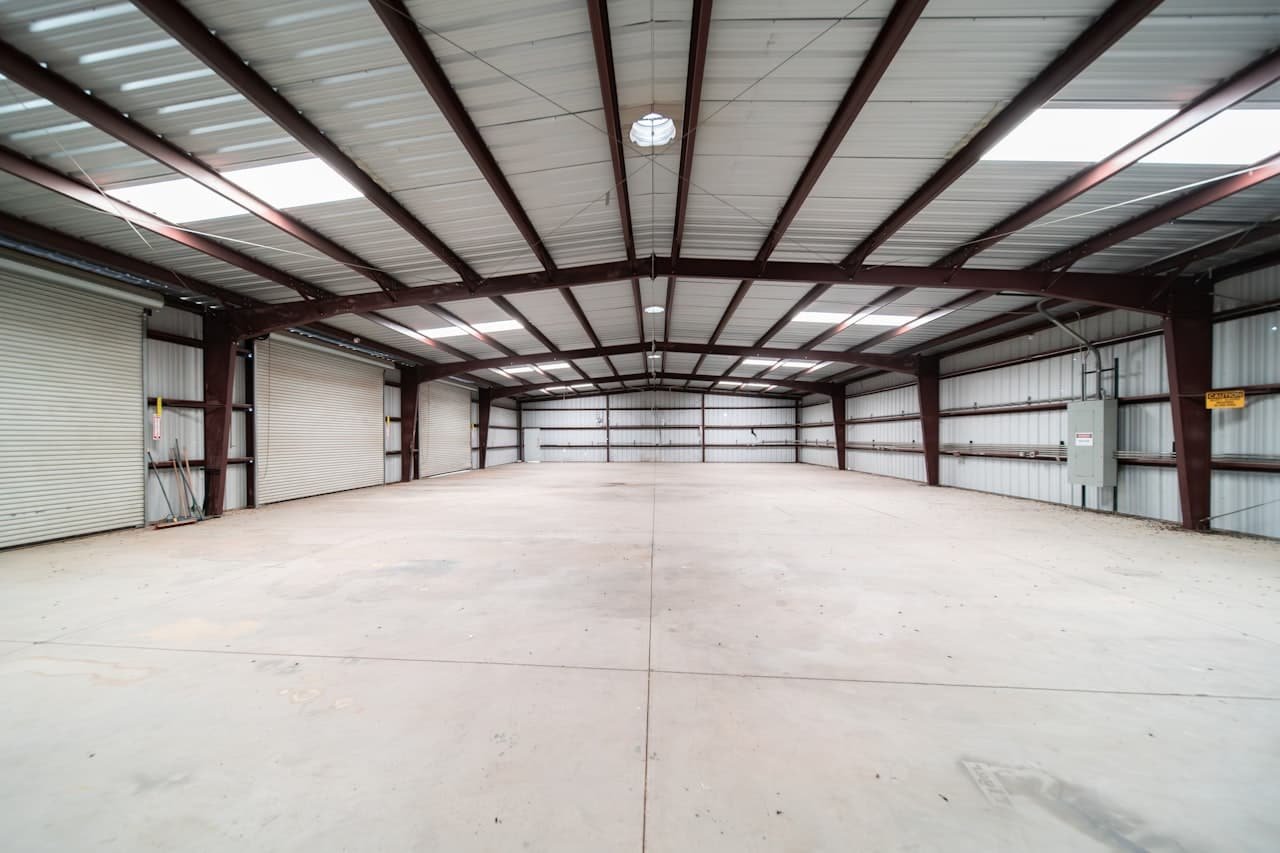
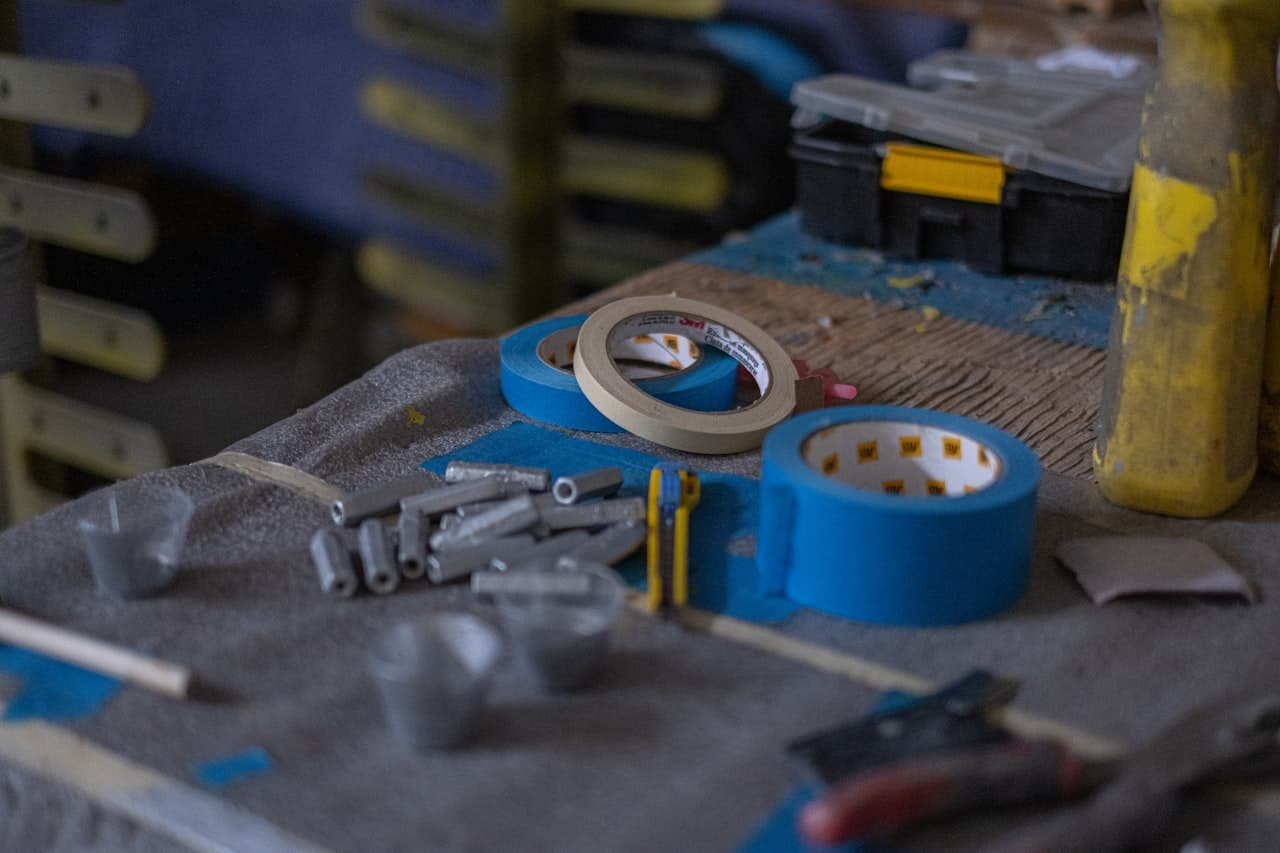
Specified by surface so you can see the cost of each element.
Get your exact priceQuoted per project. Area matters, but access, height, substrate condition, and the degree of decontamination needed usually drive the number more than square footage alone.
Have a facility that needs specifying? Send the details and we will walk the site.
Get a free quoteYes. Most industrial work runs either zone by zone around live operations or during a scheduled shutdown. Tell us which areas can be released and when, and we will build the phasing around that. Working around production costs more than a clear shutdown, but it is usually far cheaper than stopping.
Not directly. Rust has to be mechanically removed back to sound metal, then treated with a rust-inhibitive primer before the finish coat. Painting over active corrosion hides it for a season while it continues to spread underneath — you end up paying for the same steel twice.
Yes — walkways, hazard zones, racking aisles, and safety markings, applied as part of a floor coating system or on their own over existing floors. Marking a floor at the same time as coating it is far more economical than treating them as two separate projects.
Noticeably, yes. Coating an exposed deck and the walls in white reflects a great deal more of your existing light back down into the space. It is one of the most cost-effective improvements available in an older warehouse — better visibility and a safer working environment without touching the light fittings.
Block is porous and drinks coating, so it needs a block filler first to bridge the pores. Skipping that step means a patchy finish that cannot be washed properly. With filler and a durable topcoat, block walls become smooth, bright, and genuinely cleanable.
Yes. You get the written specification up front and the product documentation on completion for your maintenance records, along with current insurance and WCB certificates. If your site has its own contractor orientation or safety requirements, tell us at the assessment and we will comply with them.
If your paint is peeling, the paint is rarely the problem. Here are the three real causes and what actually prevents them.
Read the guide
Sheen changes how a colour reads and how well a wall survives being cleaned. Here is which one belongs in which room.
Read the guide