
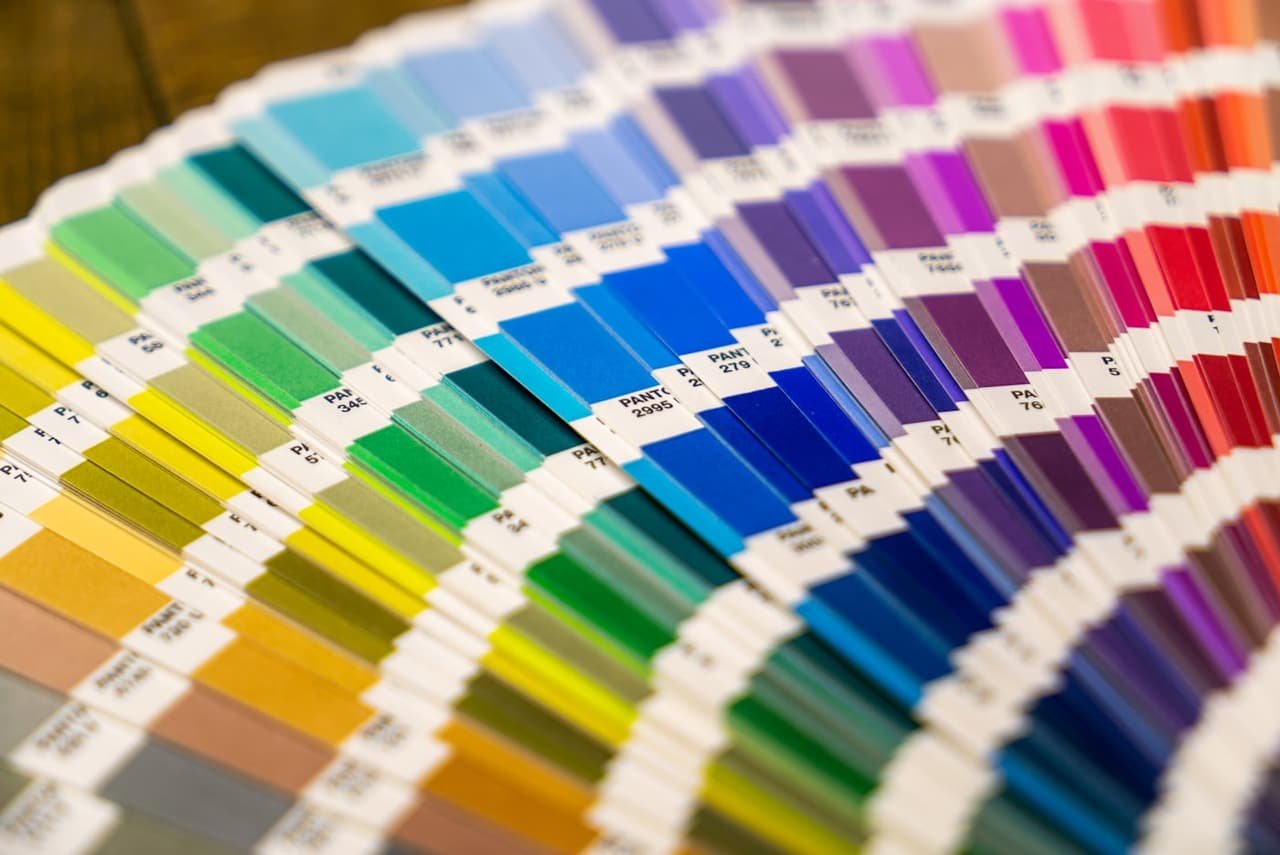
Almost everyone has a version of this story. The grey that turned purple. The warm white that went yellow. The beige that somehow reads pink in the afternoon.
It is not you, and it is not the paint being mislabelled. It is undertones and light, and once you understand both you stop getting caught.
Every neutral has an undertone
There is no such thing as a plain grey. Every grey leans blue, green, or purple underneath; every white leans warm or cool; every beige leans pink, yellow, or green. On a two-inch chip under bright store lighting you cannot see it. On four walls in your own light, it is all you can see.
This is why the failures are so consistent. A grey with a violet undertone looks perfectly neutral on the chip and reads lilac on a north wall. The undertone was always there — the conditions just revealed it.
Edmonton light has its own bias
Our winter sun sits low and casts a cool, blue-ish light for months at a stretch. A white that looked warm and creamy in a showroom can read grey and flat on a north-facing wall in January.
Direction matters just as much. North-facing rooms stay cool and blue year-round and will push a colour cooler. South and west rooms swing warm, especially through the long summer evenings. The same colour genuinely is a different colour in two rooms of the same house.
Your bulbs are part of the decision
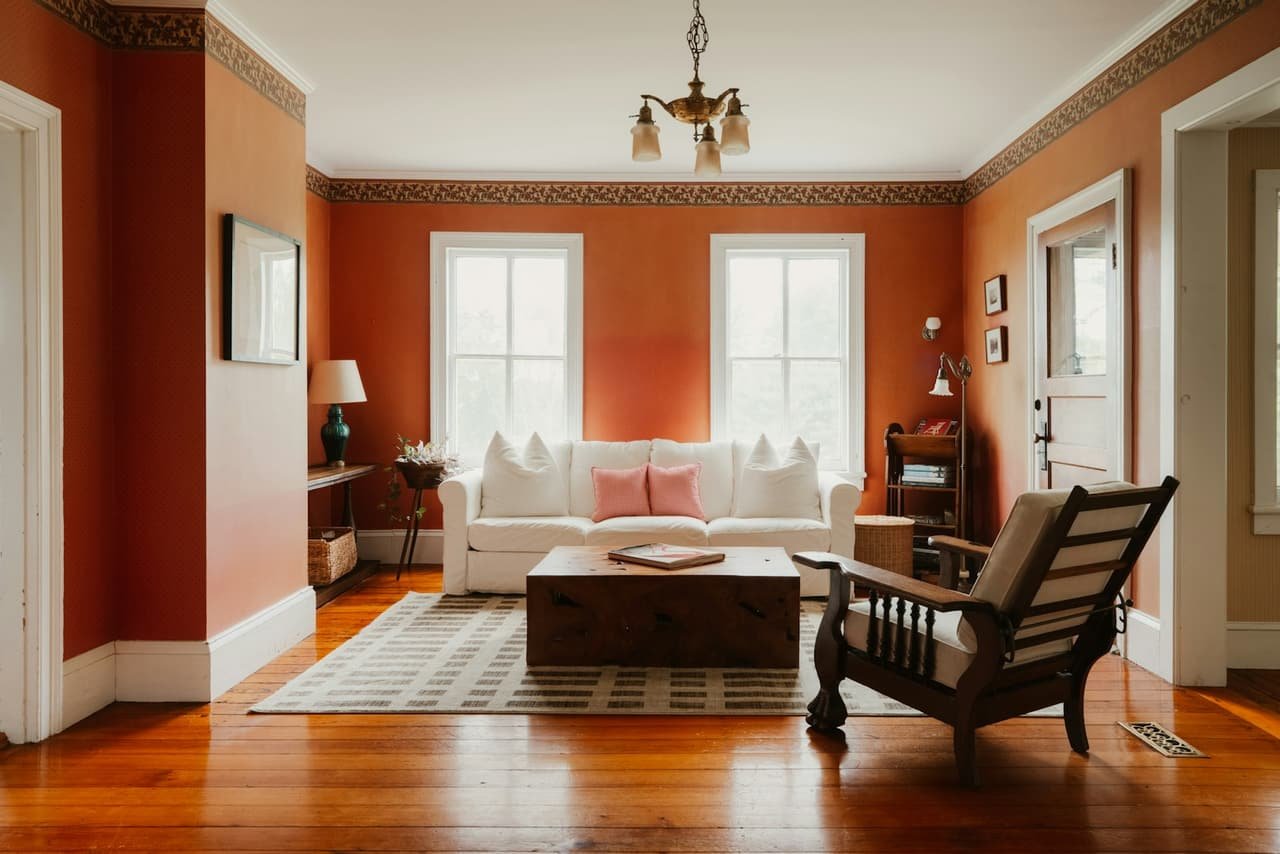
Warm LEDs around 2700K push colours yellow. Cool ones at 4000K and up push them blue and can make a warm white look sterile. Since you will see these walls under artificial light for most of an Edmonton winter, checking samples after dark is not optional.
If you are changing bulbs as part of a renovation, decide on the bulbs before you decide on the paint. It is far easier than the other way round.
How to test properly
Paint a decent-sized patch, not a smear. A small square surrounded by the old colour is judged against that old colour rather than on its own terms, which is another way people get misled.
- Sample on the actual wall, not on a chip held against it
- Put samples on more than one wall — at least one that faces north
- Look at them in the morning, the afternoon, and after dark with your own lights on
- Keep samples away from strong colours already in the room; a red rug will throw everything
- Live with them for a day or two before deciding
Work outward from what you are keeping
Paint is the cheapest thing in the room. Your floors, counters, tile, and large furniture are not, and they all have undertones of their own that the wall colour has to live beside.
Start from those. A floor with a strong orange undertone will fight a cool grey wall no matter how nice that grey is on its own. Choosing the paint last sounds backwards, and it is the order that actually works.